

QUEUE MANAGEMENT SYSTEM USE CASES
HOW BUSINESSES USE QUEUEAWAY TO ELIMINATE WAITING LINES
A modern queue management system is no longer just a way to organise lines — it’s a critical tool for improving customer experience, increasing efficiency, and reducing operational pressure across industries.
This page explores the most common real-world use cases for a queue management system and explains how organisations use QueueAway to replace physical queues with smart, virtual alternatives.
Whether you operate a retail store, healthcare clinic, public service office, or event venue, these use cases show how queue management software delivers measurable results.
All of the examples below are powered by a single, flexible queue management system designed to work across industries. QueueAway’s queue management system replaces physical queues with virtual ones — helping organisations manage flow, reduce waiting, and deliver better experiences at scale.


WHAT IS A QUEUE MANAGEMENT SYSTEM?
A queue management system allows businesses to manage customer flow digitally rather than through physical lines. Customers join a queue remotely, receive live updates, and are notified when it’s their turn — eliminating overcrowding and frustration.
Modern systems like QueueAway typically include:
- Virtual queues
- SMS, WhatsApp notifications or In App Notifications
- Real-time wait estimates
- Staff dashboards
- Analytics and reporting
The following use cases demonstrate how these features are applied in different environments.
QUEUE MANAGEMENT SYSTEM USE CASES BY INDUSTRY
QUEUE MANAGEMENT SYSTEM FOR RETAIL
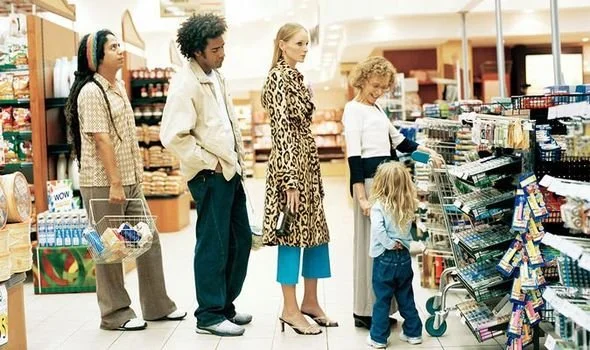
Retail environments face fluctuating demand, peak-hour congestion, and customer abandonment caused by long waits.
Common challenges:- Long checkout or service desk queues
- Walkouts during busy periods
- Limited staff visibility during peak times
- Customers join a virtual queue instead of standing in line
- Real-time wait updates reduce perceived waiting time
- Staff can dynamically manage demand
- Reduced walkouts
- Higher customer satisfaction
- Better staff utilisation during peak hours
QUEUE MANAGEMENT SYSTEM FOR HEALTHCARE & CLINICS

Healthcare providers must balance efficiency with patient experience — especially in busy GP surgeries, clinics, and hospitals.
Common challenges:- Overcrowded waiting rooms
- Uncertain wait times
- Missed appointments and no-shows
- Patients check in remotely or on arrival
- Live queue updates reduce anxiety
- SMS alerts allow patients to wait elsewhere
- Shorter perceived wait times
- Reduced congestion
- Improved patient satisfaction scores
Queue Management System for Salons & Barbers
Service-based businesses rely on smooth customer flow to maximise daily capacity.
Common challenges:
Walk-ins stacking unpredictably
Idle staff between appointments
Customers leaving due to unclear waits
How queue management helps:
Walk-ins join a virtual queue instantly
Staff see demand in real time
Customers receive alerts when their slot is ready
Benefits include:
Higher daily throughput
Fewer missed opportunities
Better customer retention
Queue Management System for Government & Public Services
Public service environments often face high footfall and limited resources.
Common challenges:
Long queues at reception desks
Frustrated visitors
Poor visibility over service demand
How queue management helps:
Visitors join queues digitally
Departments manage demand transparently
Wait times are communicated clearly
Typical improvements:
Reduced complaints
Improved service flow
Better public perception
Queue Management System for Events & Venues
Events, attractions, and venues must handle large volumes in short timeframes.
Common challenges:
Entry bottlenecks
Crowd control
Poor visitor experience at peak times
How queue management helps:
Attendees join queues remotely
Staff regulate entry flow
Congestion is reduced without barriers
Event organisers benefit from:
Smoother entry experiences
Improved safety
Better crowd distribution
Queue Management System for Hospitality
Hotels, restaurants, and hospitality venues must manage fluctuating guest demand while maintaining a calm, premium experience.
Common challenges:
Long waits at hotel reception or check-in
Crowding at restaurant entrances during peak times
Guests unsure how long they will wait
How queue management helps:
Guests join queues digitally instead of standing in line
Live wait times set clear expectations
Staff manage guest flow more efficiently
Hospitality businesses benefit from:
Improved guest experience and reviews
Reduced congestion in public areas
Smoother service during peak periods
Why Businesses Choose QueueAway Across All Use Cases
Across every industry, the reasons for adopting QueueAway remain consistent:
No app downloads required
Works on any device
Simple setup with no hardware
Scales from small businesses to large organisations
Designed to reduce waiting without adding complexity
QueueAway adapts to the environment rather than forcing businesses to change how they operate.
From Use Case to Real Results
Many organisations start with a single use case and expand once they see the impact. Whether it’s:
Reduced abandonment
Higher customer satisfaction
Increased operational efficiency
A queue management system becomes a long-term operational advantage.
Explore Industry-Specific Queue Management Solutions
This hub page is the starting point. Each industry page dives deeper into:
Specific challenges
Feature breakdowns
Practical implementation examples
Measurable outcomes
➡️ Choose your industry above to see how QueueAway works in practice.
Ready to See It in Action?
If your business struggles with queues, congestion, or long wait times, QueueAway can help — regardless of industry.
👉 Request a demo or explore an industry use case to see how a queue management system fits your operation.