

What Is the Queuing Model of Management? Theory Explained and How Businesses Use It Today
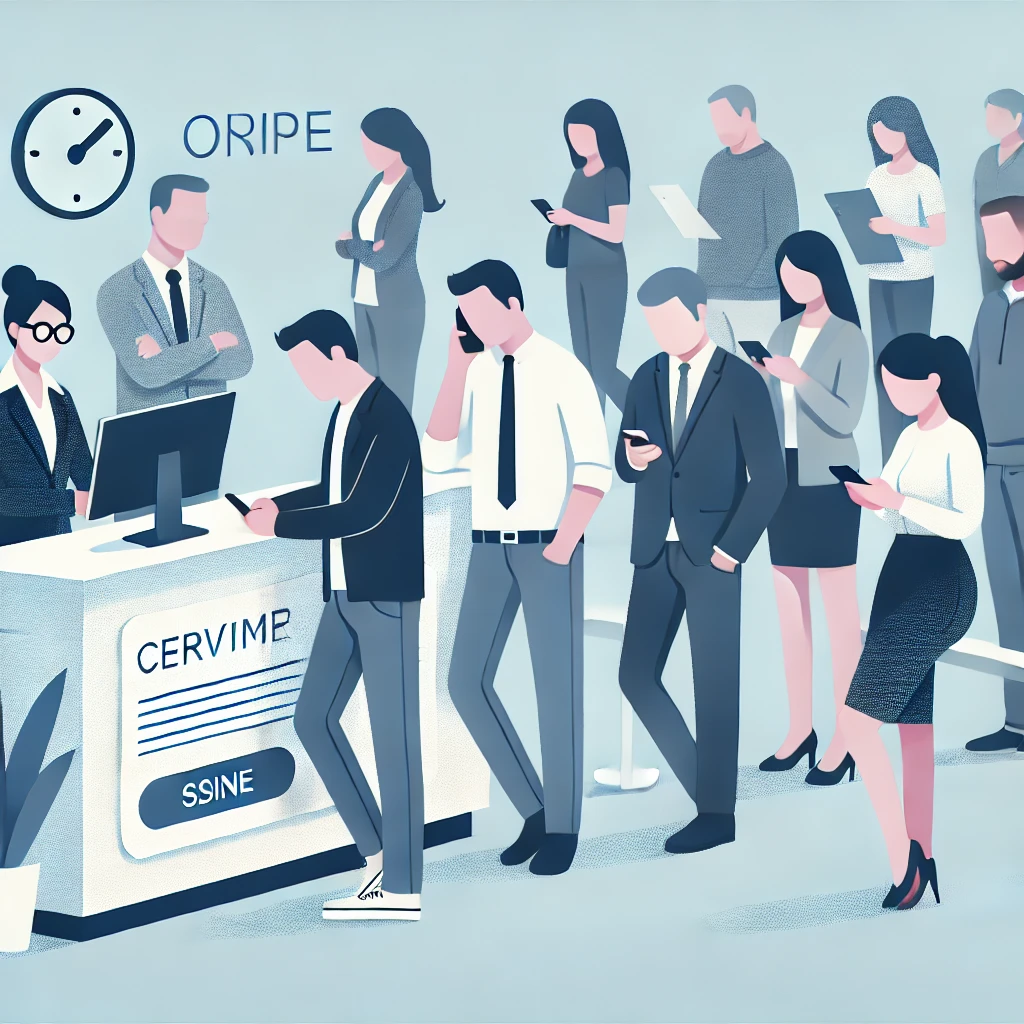
Applied Example: Managing Walk-Ins in Busy Barbershops
Queuing theory is often explained using call centres, banks, or telecommunications systems. But one of the clearest real-world examples of the queuing model of management is managing walk-ins in busy barbershops.
Barbershops operate in a high-variability environment:
- Customers arrive unpredictably
- Service times vary by haircut type
- Peak demand is highly concentrated (after school, Saturdays, payday weekends)
- Waiting space is limited
- Customer tolerance for visible queues is low
This creates a classic queuing model scenario:
- Arrival rate (λ) → Walk-in frequency per hour
- Service rate (μ) → Average haircut duration
- Number of servers (c) → Number of barbers on shift
- Queue discipline → First-come, first-served
When arrival rate exceeds service rate — even temporarily — the queue expands rapidly. In small retail environments like barbershops, this expansion creates perceived congestion, not just actual wait time. And perception directly impacts behaviour.
These theoretical models are closely linked to the real-world types of queuing systems used in business environments .
The Hidden Cost of Poor Queue Management
Traditional barbershop queues are physical and visible. When customers walk in and see:
- 8 people waiting
- No clear time estimate
- No structured order
- No communication
They make a fast decision: stay or leave.
In queuing theory, this behaviour is known as reneging (leaving after joining) or balking (deciding not to join at all). In high-footfall retail environments, balking can be one of the biggest silent revenue leaks.
Applying the Queuing Model in Practice
Modern barbershops increasingly apply queuing theory principles through digital systems. Instead of a visible physical line:
- Customers join a digital queue
- Estimated wait times are calculated dynamically
- Arrival patterns can be analysed
- Staffing decisions can be adjusted using real data
- Customers can wait off-site instead of crowding the shop
Many barbershops now implement these principles using a queue management system for barbershops that allows customers to join a queue remotely and receive live wait-time updates.
This transforms the queue from a passive problem into an actively managed system.
For a practical example of how this works in a real retail setting, see our guide on managing walk-ins in busy barbershops without customers walking out .
Academic Model → Commercial Advantage
In theory: If λ > cμ, queue length increases.
In practice: If you cannot manage arrival perception, you lose customers before service even begins.
The mathematics of queuing models provide the framework. Digital queue systems provide the execution.
Retail environments like barbershops make these dynamics visible and measurable — which is why they are such a powerful applied example of modern queue management in action.
From Queuing Theory to Modern Queue Management Systems
Traditional queuing models analyse waiting lines. A modern queue management system like the one discussed here uses the same principles — but applies them in real time to actively manage demand, capacity, and customer flow.
These systems can monitor demand, estimate wait times, distribute workload, and reduce physical crowding. Many also support remote queue joining through virtual queue apps, making waiting more predictable and less stressful for customers.
If you’re comparing approaches, it can also help to understand the types of queuing systems and where each works best.