

Restaurant Waitlist Management System: The Key to Faster Service & Higher Revenue
In the hospitality industry, every minute matters.
When guests walk into a busy restaurant and are told there’s a wait, what happens next determines whether you gain a customer — or lose them.
Studies show that:
70% of guests will abandon a queue after 15–20 minutes
Restaurants lose up to 30% of peak-time revenue due to poor queue handling
Customer satisfaction drops by over 40% when wait times feel unmanaged
Recent hospitality queue statistics show that long wait times and poor queue visibility are among the biggest causes of customer dissatisfaction in restaurants and hospitality venues.
This is where a restaurant waitlist management system becomes essential. A queue management system for hospitality helps restaurants manage guest flow more efficiently while improving the overall customer experience.
What Is a Restaurant Waitlist Management System?
A restaurant waitlist management system is a digital tool that allows customers to:
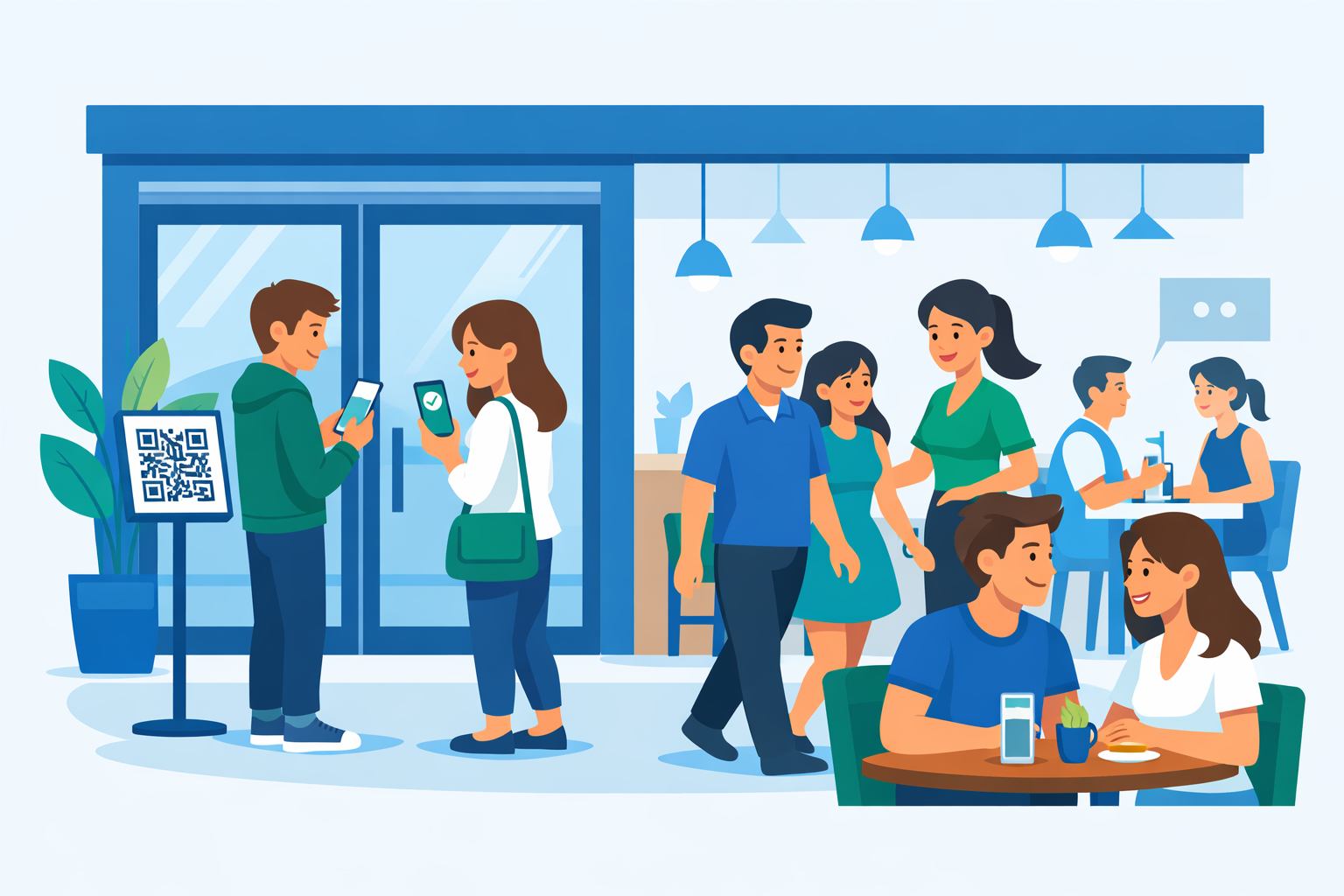
Join a queue remotely (via QR code or link)
Receive live updates on wait times
Get notified when their table is ready
For restaurants, it provides:
Real-time visibility of demand
Better control over table flow
Data on peak times and customer behaviour
Understanding how long guests will wait in hospitality is crucial when designing an effective waitlist system that keeps customers engaged instead of walking away.
The Problem with Traditional Waitlists
1. Physical queues create friction
Guests standing around:
Feel uncomfortable
Block entrances
Create a negative first impression
2. Inaccurate wait time estimates
Staff often guess wait times, leading to:
Frustration
Complaints
Lost trust
3. No visibility of demand
Without data, restaurants can’t:
Optimise staffing
Predict busy periods
Improve operations
The Cost of Poor Waitlist Management
Issue
Long queues
No updates
Overcrowding
Inefficient seating
Impact
Increased walkouts
Customer frustration
Poor guest experience
Lost revenue
A poorly managed waitlist doesn’t just affect operations — it directly impacts profitability. Using a virtual queue app allows guests to join remotely, reducing physical crowding and improving the waiting experience.
How a Restaurant Waitlist System Improves Operations
1. Guests Join Remotely
Instead of waiting at the door, customers can:
Scan a QR code
Join from their phone
Wait anywhere
This immediately reduces congestion and improves first impressions.
2. Accurate Wait Time Predictions
Modern systems calculate wait times based on:
Table turnover
Party size
Current queue
This leads to:
Better expectation management
Fewer complaints
3. Automated Notifications
Customers receive:
SMS or app alerts
“Your table is ready” notifications
This removes:
Manual calling
Missed customers
4. Data-Driven Decisions
Restaurants gain insights into:
Peak hours
Average wait times
Queue abandonment rates
This allows smarter decisions around:
Staffing
Layout
Promotions
Restaurants that focus on reducing wait times in hospitality consistently see higher customer satisfaction and improved table turnover.
The same principles apply across the industry, with hotel queue management systems also using digital queues to reduce congestion and improve guest flow.
Real Hospitality Stats (2026)
65% of diners prefer restaurants with digital waitlists
Restaurants using queue systems increase table turnover by up to 20%
Queue visibility reduces perceived wait time by up to 35%
SMS notifications reduce no-shows by 25%
These aren’t small improvements — they directly impact revenue.
Restaurant Scenario: Before vs After
Before
20 people waiting at the entrance
Staff overwhelmed
Guests leaving after 15 minutes
After (with waitlist system)
Guests join remotely
Clear wait time displayed
Smooth table flow
Result:
More guests served
Less stress for staff
Higher customer satisfaction
Key Features to Look For
When choosing a restaurant waitlist management system, look for:
Mobile-friendly queue joining
Real-time updates
SMS notifications
Staff dashboard
Analytics and reporting
Easy setup (no complex hardware)
Why Restaurants Are Switching to Digital Waitlists
The shift is happening because:
Customers expect convenience
Staff shortages demand efficiency
Competition is increasing
Restaurants that adopt queue technology:
Serve more guests
Create better experiences
Build stronger customer loyalty
How QueueAway Fits In
QueueAway is designed specifically for high-flow environments like restaurants.
With QueueAway, you can:
Let guests join your waitlist remotely
Manage walk-ins effortlessly
Reduce overcrowding
Improve table turnover
It’s a simple, effective way to modernise your restaurant operations without complexity.
Final Thoughts
A restaurant waitlist is no longer just a list — it’s a critical part of your customer experience.
If it’s slow, unclear, or frustrating, customers leave.
If it’s smooth, transparent, and efficient, customers stay — and spend more.
FAQ Section
What is a restaurant waitlist management system?
A restaurant waitlist management system is a digital tool that allows customers to join a queue remotely, receive live wait time updates, and get notified when their table is ready. It helps restaurants manage demand more efficiently and improve the overall guest experience.
How does a digital waitlist reduce walkouts?
Digital waitlists reduce walkouts by providing accurate wait times and real-time updates. When customers know how long they will wait and can leave the queue area, they are far less likely to become frustrated and abandon the line.
Do waitlist systems improve table turnover?
Yes, waitlist systems improve table turnover by organising seating more efficiently and reducing idle time between guests. This allows restaurants to serve more customers during busy periods and increase revenue.
Can customers join a restaurant queue remotely?
Yes, most modern waitlist systems allow customers to join a queue remotely using a QR code or link. This removes the need to physically wait at the restaurant and creates a more flexible and convenient experience.
How long will customers wait in a restaurant before leaving?
Research shows that most customers will wait between 15 and 20 minutes before considering leaving a restaurant. However, this can vary depending on how well the wait is managed and whether updates are provided.
What are the benefits of a digital waitlist for restaurants?
Digital waitlists reduce congestion, improve customer satisfaction, provide accurate wait times, and help staff manage demand more effectively. They also give restaurants valuable data on peak times and customer behaviour.
How do restaurants manage busy waiting lists efficiently?
Restaurants manage busy waiting lists efficiently by using digital systems that automate queue management, provide real-time updates, and optimise table allocation based on demand and party size.
What features should a restaurant waitlist system have?
A good restaurant waitlist system should include mobile queue joining, real-time wait updates, SMS notifications, a staff dashboard, and analytics to track performance and improve operations.