

Queue Abandonment in Retail: Why Customers Walk Away (And How to Stop It)
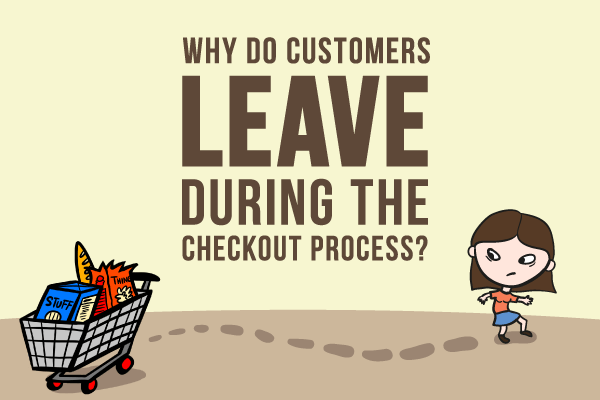
Queues are a normal part of retail. Whether customers are waiting to pay, collect items, speak with staff, or enter a busy store, waiting is part of the shopping experience. Long queues are one of the main causes of lost sales, which is why many retailers are adopting a queue management system for retail to reduce abandonment and improve customer experience.
However, when queues become too long or poorly managed, customers don’t just get frustrated — they leave. As abandonment rates continue to rise, many retailers are turning to a queue management system in the US to reduce waiting times and prevent lost sales.
This behaviour is known as queue abandonment, and it represents one of the largest hidden sources of lost revenue in retail.
Research consistently shows that customers are willing to wait only a limited amount of time before abandoning their purchase entirely.
For retailers, this means lost sales, reduced customer satisfaction, and damage to brand perception.
Understanding why queue abandonment happens — and how to prevent it — has become essential for modern retail operations.
In this article we’ll explore:
• What queue abandonment is
• How often it happens in retail
• Why customers leave queues
• The financial impact on businesses
• How retailers reduce abandonment using queue management systems
What Is Queue Abandonment in Retail?
Queue abandonment occurs when a customer joins a queue but leaves before being served.
In retail environments this can happen when customers:
• Leave checkout lines before paying
• Walk out of stores due to long queues
• Abandon service desks or fitting room queues
• Exit digital waiting lists or virtual queues
From a business perspective, queue abandonment represents lost revenue that was already within reach.
The customer was already in the store and ready to purchase — but the wait time became too frustrating.
Retailers closely track queue abandonment because it directly affects:
• Conversion rates
• customer satisfaction
• operational efficiency
• store reputation
Reducing abandonment is therefore one of the primary goals of modern retail queue management systems.
Retail Queue Abandonment Statistics
Research into customer waiting behaviour shows that queue abandonment is extremely common. Research into average wait times in retailshows how quickly delays lead to customer frustration and abandonment.
Key statistics include:
• Nearly 75% of customers have abandoned a purchase due to long queues
• 32% of shoppers will leave a queue after waiting just 5 minutes
• 73% say long waits negatively affect their perception of a brand
• Retailers lose billions annually due to queue-related abandonment
When customers are willing to walk away this quickly, it highlights why understanding what is a queue management system is essential for modern retail operations. During peak periods such as weekends, holidays, and major retail events, abandonment rates increase significantly.
Long lines during busy sales periods can lead to double-digit percentage losses in potential revenue.
Retailers that fail to manage queues effectively may be losing customers every single hour of the day.
Why Customers Abandon Retail Queues
Queue abandonment is rarely caused by a single factor. Instead, it typically results from a combination of psychological and operational issues. Understanding how long customers will wait in retail stores is key to reducing abandonment rates.
1. Perceived Wait Time
Interestingly, customers react more strongly to perceived wait time than the actual wait.
A 7-minute wait can feel much longer if customers:
• don’t know their position in line
• can’t see progress
• feel uncertain about how long they will wait
Clear communication significantly reduces abandonment. Retailers can reduce abandonment by improving managing retail peak queuesduring busy periods.
2. Lack of Queue Transparency
Customers become frustrated when they cannot see:
• how many people are ahead of them
• how long the wait will be
• whether the queue is moving
Uncertainty creates anxiety and leads to customers leaving earlier.
Queue systems that display estimated wait times significantly reduce abandonment rates. Customer decisions are heavily influenced by the psychology of waiting in retail, especially when queues feel longer than expected.
3. Visible Long Lines
Humans instinctively avoid queues that appear long.
Even if the actual wait time is short, a visible line can discourage customers from joining.
This phenomenon is known as queue aversion.
Retailers often see customers walk out immediately when they see a long line near checkout.
4. Poor Staff Allocation
Queues often grow when staff are not allocated efficiently.
For example:
• too few checkout operators
• service desks understaffed
• staff assigned to low-demand areas
Without monitoring queue length and demand, retailers struggle to respond quickly.
5. Busy Retail Periods
Queue abandonment spikes during:
• holiday shopping seasons
• Black Friday sales
• weekend peak hours
• special promotions
During these times, queues can form rapidly, overwhelming traditional checkout processes.
The Financial Cost of Queue Abandonment
Queue abandonment directly affects retail revenue.
Consider a simple example.
If a store:
• averages £40 per purchase
• loses 10 customers per day due to queues
That represents:
£400 lost daily
Over a year, that becomes:
£146,000 in lost sales
For larger retail chains, queue abandonment can result in millions of pounds in lost revenue annually.
But the financial impact doesn’t stop there. Recent retail queue statistics highlight the scale of abandonment and its impact on store performance
Customers who abandon queues often:
• avoid returning to the store
• choose competitors next time
• leave negative reviews online
This creates long-term revenue loss beyond the immediate sale. Reducing abandonment at scale often requires a modern queue management system that enables real-time tracking and better queue management.
How Retailers Reduce Queue Abandonment
Modern retailers use a variety of strategies to reduce queue abandonment.
These include operational improvements and digital queue technologies. Retailers are increasingly using queue management systems for businesses to manage flow, reduce congestion, and keep customers engaged while they wait.
1. Queue Management Systems
One of the most effective solutions is implementing a queue management system.
These systems allow retailers to:
• manage customer flow
• track wait times
• distribute demand across staff
• remove visible queues
Instead of standing in line, customers can join a digital queue and wait comfortably.
2. Virtual Queues
Virtual queues allow customers to join a queue using a smartphone.
Customers receive updates about their position and are notified when it's their turn.
Benefits include:
• no physical lines
• reduced crowding
• lower perceived wait times
• improved customer experience
Virtual queues are increasingly used in retail environments such as electronics stores, beauty services, and high-traffic service desks.
3. Smart Queue Monitoring
Retail analytics tools allow businesses to monitor:
• queue length
• wait times
• peak periods
• staff performance
This helps managers allocate staff dynamically to prevent queues growing too long.
4. Self Service Options
Retailers often reduce queues by offering:
• self-checkout kiosks
• mobile payment options
• online order collection systems
These reduce pressure on staffed checkout areas.
The Future of Retail Queue Management
As customer expectations evolve, queue management will continue to change.
Retailers are increasingly adopting technologies that eliminate traditional waiting lines altogether.
Future trends include:
• AI-driven queue forecasting
• predictive staffing models
• mobile-first queue systems
• integration with retail analytics platforms
Retailers that invest in queue management technology are able to:
• reduce abandonment
• increase conversion rates
• improve customer satisfaction
• optimise staff allocation
Conclusion
Queue abandonment is one of the most costly and overlooked problems in retail.
Customers are willing to wait only a limited amount of time, and when queues become too long or uncertain, they simply leave.
By understanding the causes of abandonment and implementing modern queue management solutions, retailers can significantly reduce lost sales and improve the overall shopping experience.
Digital queue systems, virtual waiting lists, and real-time queue monitoring are helping retailers transform waiting into a more efficient and customer-friendly process.
For businesses looking to improve operations and reduce lost revenue, investing in effective queue management is becoming essential. If you're looking to reduce queue abandonment and recover lost sales, QueueAway offers a powerful queue management system for retail designed to eliminate queues and improve customer flow.
FAQ
What is queue abandonment in retail?
Queue abandonment in retail occurs when customers leave a queue before completing their purchase or receiving service due to long waits or frustration.
How common is queue abandonment?
Studies show that around 70–75% of shoppers have abandoned a purchase due to long checkout lines or waiting times.
Why do customers leave retail queues?
Customers typically leave queues due to long wait times, lack of transparency about wait length, visible long lines, or poor queue management.
How long will customers wait in retail?
Many shoppers are willing to wait around 5–10 minutes in a retail queue before considering leaving.
How can retailers reduce queue abandonment?
Retailers can reduce queue abandonment by using queue management systems, virtual queues, self-checkout systems, and real-time queue monitoring tools.